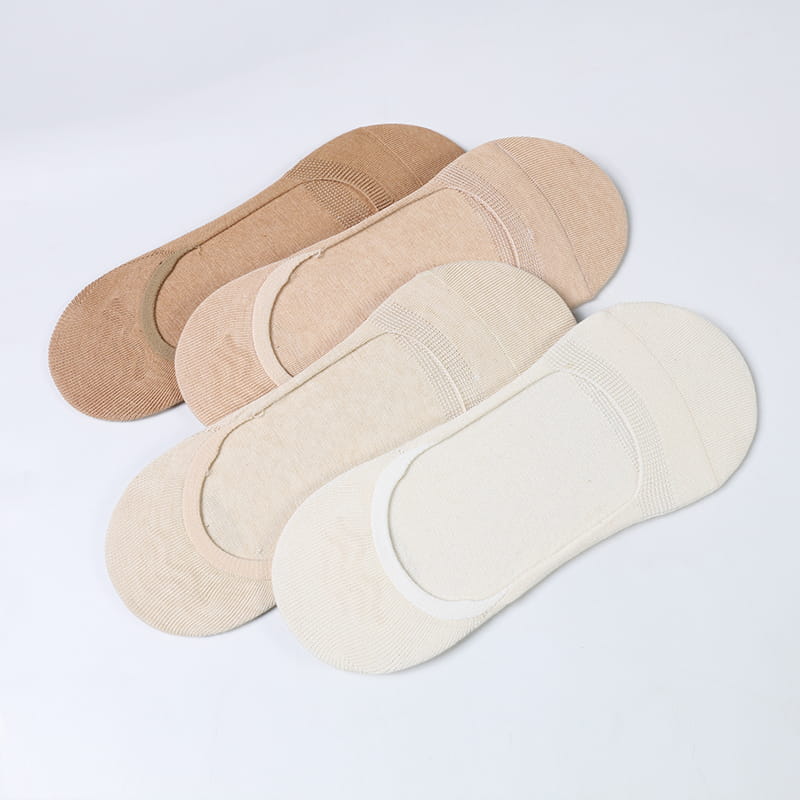
You are about to start a long hike or a full day of training, and within the first few kilometers a familiar burning sensation appears on your heel or the side of your big toe. That small hot spot quickly turns into a painful blister, and the rest of the day becomes a lesson in regret. Blisters do not have to happen. After decades of manufacturing socks for international brands and importers, we have seen which materials and construction choices genuinely reduce friction and keep feet dry. The conclusion is simple: blisters form when friction, moisture, and heat combine, so the most effective strategy is to control those three factors before they compound.
Blisters are not random. They are a response to repeated shear stress on the skin, usually amplified by dampness. When your foot sweats, the outer layer of skin softens, and the friction between your foot and the sock or shoe pulls the layers apart. Fluid fills the space, and a blister appears. Understanding this mechanism tells you exactly where to focus prevention.
Friction alone can irritate skin, but moisture raises the risk significantly. Wet feet, whether from sweat or external water, increase the coefficient of friction and make the epidermis more fragile. Heat also contributes by making you sweat more, so your goal should be to keep the skin dry and reduce movement.
These are the building blocks of every prevention strategy, and they matter more than any single product.
The first and most controllable factor is the sock you wear. Many people still reach for cotton, because it is comfortable and absorbent. That is exactly the problem: cotton holds moisture, so once it gets wet, it stays wet and keeps the skin damp. The better choice is a blend with synthetic fibers or Merino wool that pulls moisture away from the skin and dries quickly.
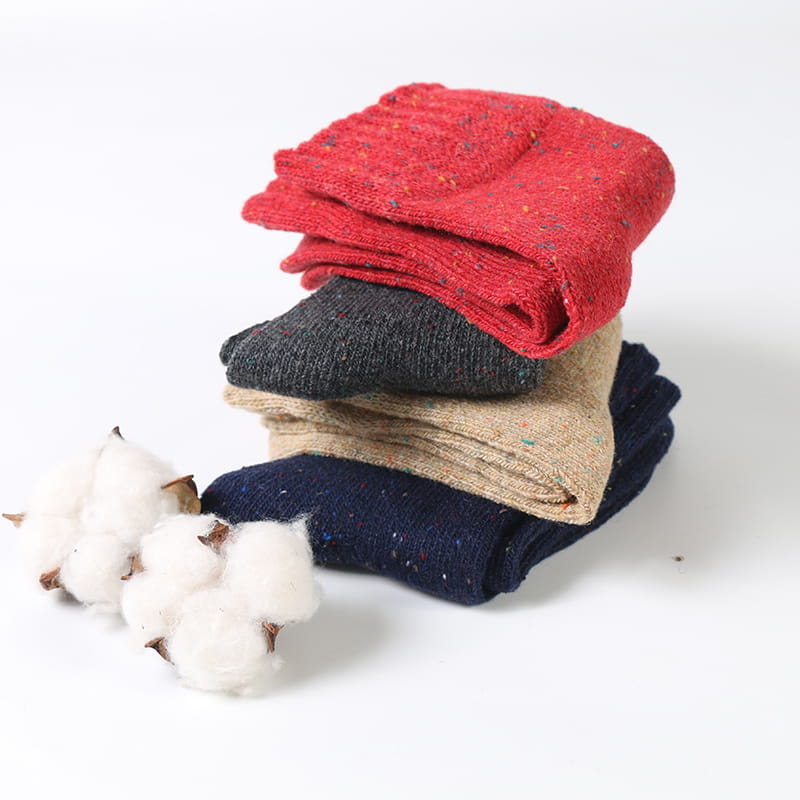
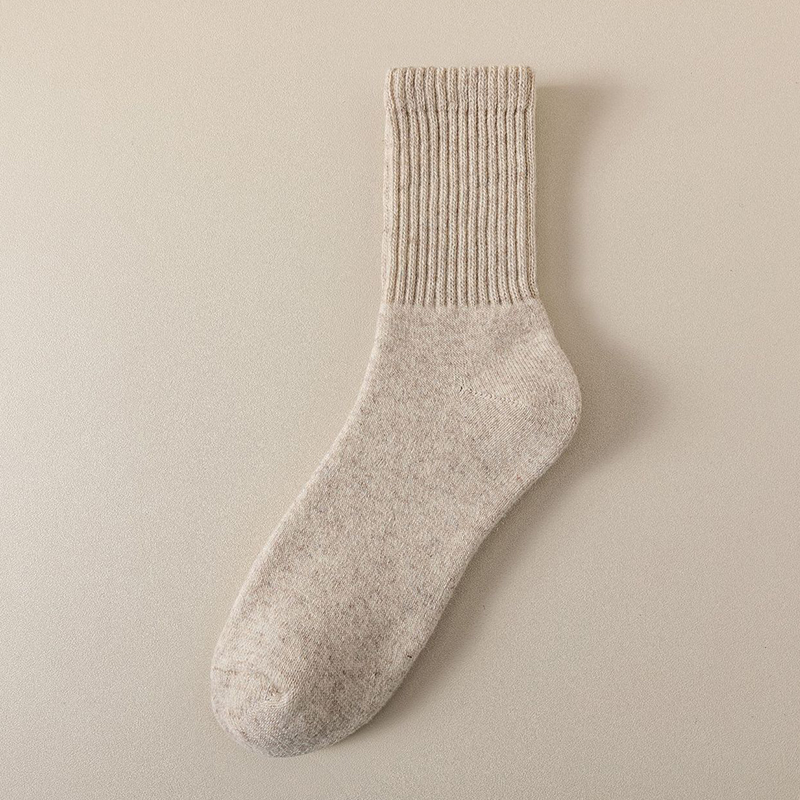 Merino Wool Blend Thermal Winter Socks for Moisture Control These thick merino wool socks offer warmth and moisture management, addressing the issue of cotton retaining dampness. Ideal for cold-weather casual wear or hiking, they provide a dry and comfortable experience. View Product →
 For buyers and brands involved in custom sock development, the material choice determines how the product performs for the end user. Below is a quick comparison of common yarn types.
| Material | Moisture management | Risk of friction | Best use |
|---|---|---|---|
| Pure cotton | Low; holds water | High when wet | Everyday low-impact wear |
| Merino wool | High; absorbs and releases | Moderate to low | Running, hiking, cold weather |
| Polyester / nylon blends | High; wicks and dries fast | Low | Sports, high-intensity sessions |
| Bamboo fiber | Medium; soft and breathable | Moderate | Casual and office wear |
When you wear synthetic blends or Merino wool, sweat moves away from your skin into the yarn. The fabric dries faster, and your skin stays less softened. This alone can cut the risk of hotspots dramatically. For high-output activities, look for socks with good air permeability.
A bulky seam over the toes is a common source of blisters. Modern knitting machines can create flatter seams or true seamless toes. If you are developing a custom sock, ask for a hand-linked or seamless toe to reduce pressure at the contact point. This is especially important for thin socks that sit tight against the foot.
Cushioning in the heel and ball area provides a buffer between footwear and skin. Arch support helps keep the sock in place and prevents bunching, which also lowers friction. For running or hiking, a medium to thick sole cushioning is recommended.
If you are choosing socks for a team or corporate program, consider our detailed guide on the best socks for sweaty feet, which covers materials and features in depth.
Best socks for sweaty feet: materials and features that help
A perfect sock cannot compensate for an ill-fitting shoe. The shoe must have enough room at the toe box, a secure heel hold, and an outsole that does not create excessive rubbing. Even high-quality socks will lose the battle against a pair of shoes that are too small or too loose.
Try on shoes at the end of the day, when your feet are naturally larger. Walk around and note any pressure near the heel or the sides of the forefoot. There should be about one thumb-width of space at the front of the shoe. For running or hiking, do not assume the same size as casual footwear.
New shoes often have stiff materials and seams that need to mold to your foot. Wear them for short periods first, or use them on lighter days before a major outing. If you plan to run a long race, train in the same shoes and socks you will use on event day.
Some experienced hikers and runners wear a thin liner sock under a thicker outer sock. The liner absorbs the friction between the skin and the outer sock, so the skin is less likely to shear. This can be a useful trick for high-friction conditions, though moisture management still matters.
Besides selecting the right sock, you can actively manage foot moisture and friction. Start with dry feet, use products that reduce sweating or add a protective film, and respond to hot spots as soon as they appear.
If you are prone to sweaty feet, apply a foot powder or antiperspirant before putting on socks. Choose breathable shoes and change socks if they become soaked. In cold weather, avoid wearing heavy, wet socks; switch to a fresh pair at rest breaks.
Petroleum jelly, specific anti-chafe balms, or silicone-based lubricants allow the foot to slide slightly against the sock rather than gripping and pulling. Apply the lubricant to areas that rub frequently, including the heel, the ball of the foot, and the sides of the toes.
The problem often starts inside the shoe: the sock moves, and your foot moves inside the sock. A sock with silicone grips on the sole can anchor the sock against the insole, especially in yoga, pilates, or other barefoot-style activities. This added stability reduces the friction against your skin.
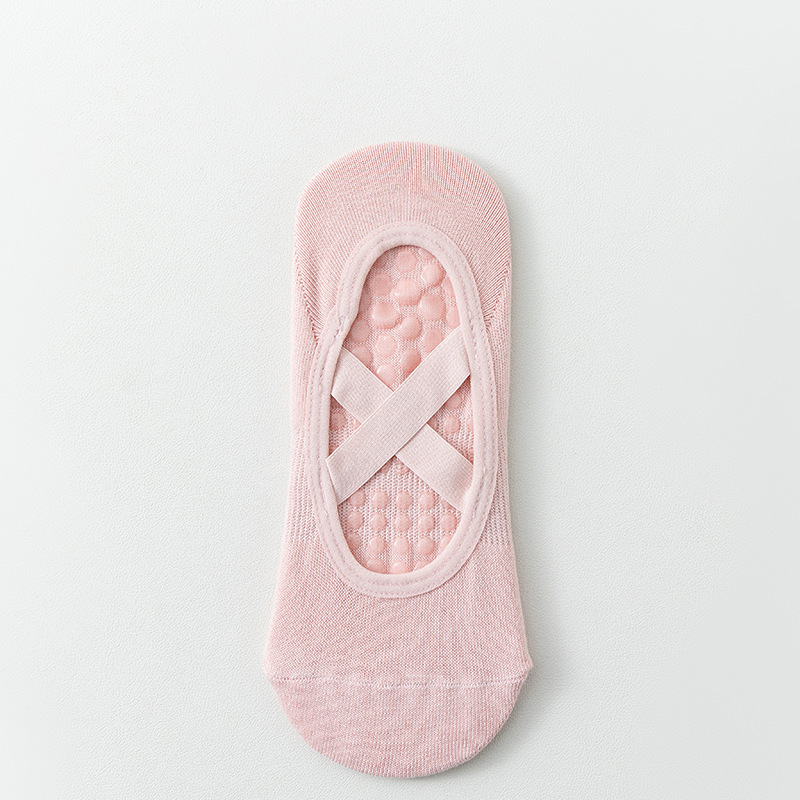 Anti-Slip Grip Socks with Silicone Soles for Yoga and Pilates Designed with silicone grips on the sole, these socks anchor the foot in place during barefoot-style activities like yoga and pilates, reducing friction and improving stability inside the shoe. View Product →
 For athletes in high-intensity training, a grip sock that stays in place can be an effective layer of protection.
Even with the best preparation, a blister can form when you least expect it. The right response can prevent infection and speed healing.
If the blister is small and does not hurt, do not pop it. Protective padding or a blister plaster can reduce the pressure and keep the skin intact. The fluid will be reabsorbed over time, and the skin will heal without an open wound.
If you must drain it, clean the area thoroughly with alcohol or antiseptic. Prick the edge with a sterile needle, press out the fluid gently, apply antibiotic ointment, and cover with a sterile dressing. Check the area afterward for signs of infection such as redness, swelling, or pus.
People with diabetes or circulatory problems should not drain blisters at home. Those who notice worsening pain, redness spreading, or fever should consult a healthcare provider immediately.
If you are a buyer, agent, or brand owner developing custom socks , the same principles that keep feet blister-free should drive your product requirements. Material, construction, and testing all determine whether your socks will perform as promised. We have seen too many orders choose a fashionable design over functional yarn, only to have customers complain about slipping or overheated feet.
When you work with a manufacturer, ask for clear documentation on yarn composition and moisture management. Request sample testing for abrasion resistance and fit. Consider the activity of your target consumer: a hiking sock demands different cushioning than a running sock, and a yoga sock needs different grip treatment.
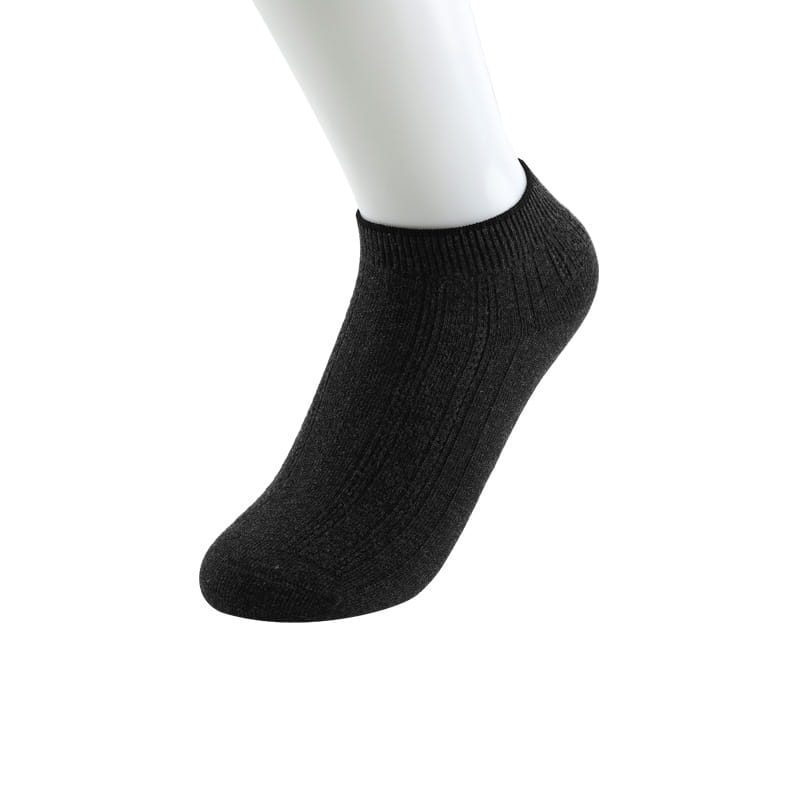
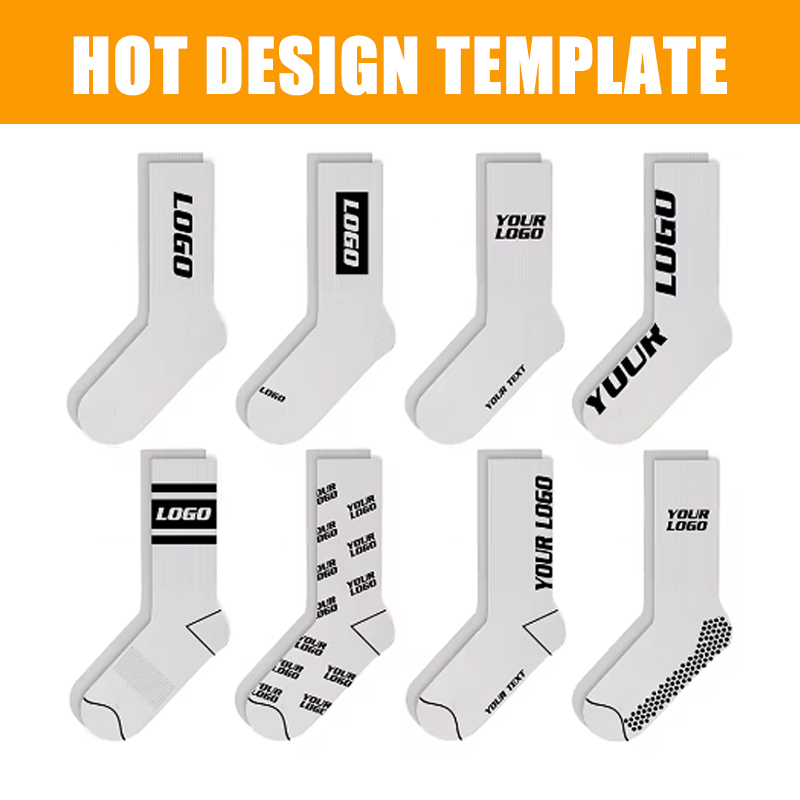 Compression Athletic Ankle Socks for Sports and Circulation These cotton-blend compression socks support muscle performance and blood circulation, potentially lowering fatigue and minimizing foot movement inside the shoe, making them suitable for athletic and everyday wear. View Product →
 Compression socks can also support muscle performance and circulation, which may indirectly reduce fatigue and the risk of movement inside the shoe. If you are exploring wool options for your line, see our article on whether wool socks are good for running, which reviews the trade-offs between warmth and moisture control.
Are wool socks good for running? What runners, buyers and brands should know


+86-13586371153
+86-0573-87670680
[email protected] [email protected]
8-1 Yongsheng Road, Qianjiang Industrial Park, Dingqiao, Haining, Zhejiang, VR China
Urheberrecht © Haining Wanshida Strumpfwaren Co., LTD Alle Rechte vorbehalten.